
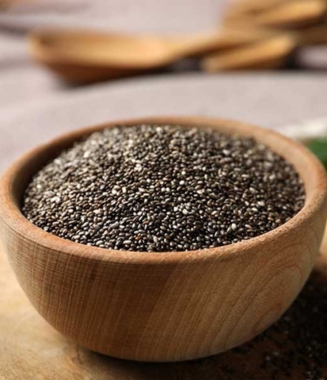
Giriraj Enterprise is a premier manufacturer, exporter, and wholesale supplier of high-quality Chia Seeds, offering trusted solutions with private labeling and contract manufacturing services. Sourced from carefully selected farms, our chia seeds meet stringent international food safety standards and are packed to preserve maximal freshness and nutrition. With flexible packaging and tailored branding options, we empower businesses worldwide to create premium, consumer-ready chia products that stand out in competitive markets.
Chia seeds are tiny black or white seeds obtained from the plant Salvia hispanica. Despite their small size, chia seeds are nutritional powerhouses packed with fiber, plant-based protein, omega-3 fatty acids, antioxidants, vitamins, and minerals. Known for their unique ability to absorb liquid and form a gel-like consistency, they are widely favored for digestive health and sustained energy.
Giriraj Enterprise proudly exports chia seeds to a multitude of countries including the USA, Canada, UK, Germany, France, Netherlands, Russia, Poland, Colombia, Brazil, Peru, Bangladesh, Thailand, UAE, Saudi Arabia, Africa, Malaysia, Singapore, Korea, Japan, Azerbaijan, Turkey, Indonesia, Egypt, Italy, and China. Our dedication to quality and timely delivery has made us a preferred partner across continents.
The generally recommended daily serving of chia seeds is 1 to 2 tablespoons, which is roughly 15 to 30 grams. This amount delivers a meaningful dose of fiber, omega-3 fatty acids, protein, and essential minerals without overwhelming your digestive system. Beginners are best advised to start with a smaller quantity — around one teaspoon — and gradually increase intake over a week or two to allow the gut to adjust comfortably. Consuming chia seeds with an adequate amount of water or liquid is important, as they absorb many times their weight in fluid and expand in the stomach. Exceeding the recommended intake without sufficient hydration can occasionally lead to bloating or digestive discomfort. For most healthy adults, 1 to 2 tablespoons per day strikes the ideal balance between nutritional benefit and digestive ease.
Yes, chia seeds are completely naturally gluten-free, making them an excellent dietary choice for individuals with celiac disease, non-celiac gluten sensitivity, or those who simply follow a gluten-free lifestyle. Since they come from the plant Salvia hispanica and are not a grain, they contain absolutely no gluten proteins. However, it is important to note that cross-contamination can sometimes occur during processing or packaging if chia seeds are handled in facilities that also process wheat, barley, or rye. Consumers with severe gluten sensitivity or celiac disease should therefore look for chia seeds that are certified gluten-free, which ensures they have been tested and processed in dedicated gluten-free facilities. Giriraj Enterprise's chia seeds meet rigorous international food safety standards, and their certification credentials including HALAL, KOSHER, and GMP compliance provide additional assurance of product purity and handling integrity.
Chia seeds can be a valuable ally in a weight management journey, though they work best as part of a balanced diet rather than as a standalone solution. Their exceptionally high fiber content — approximately 10 grams per two tablespoons — causes them to absorb liquid and expand in the stomach, creating a gel-like mass that promotes prolonged feelings of fullness and satiety. This natural appetite-suppressing effect can help reduce overall caloric intake by curbing unnecessary snacking and overeating between meals. Additionally, the combination of protein and healthy fats in chia seeds helps stabilize blood sugar levels, preventing the sharp spikes and crashes that often trigger cravings for sugary or high-calorie foods. Studies have also suggested that the omega-3 fatty acids in chia seeds may support a healthy metabolism. When incorporated consistently into meals like smoothies, oatmeal, or yogurt, chia seeds contribute to a structured, nutrient-dense eating pattern that naturally supports healthy weight management over time.
Chia seeds support digestive health through a combination of soluble fiber, insoluble fiber, and their unique gel-forming ability. When chia seeds come into contact with water or stomach fluids, the outer layer swells to form a viscous gel that coats the digestive tract, slowing the breakdown of food and enabling the gradual absorption of nutrients. The soluble fiber in chia seeds acts as a prebiotic, feeding beneficial gut bacteria and promoting a healthy, balanced microbiome — an important factor in overall digestive wellness. The insoluble fiber, meanwhile, adds bulk to stool, softening it and facilitating regular, comfortable bowel movements that help prevent constipation. For individuals with irregular digestion or sluggish gut motility, incorporating soaked chia seeds into daily meals can offer gentle, consistent relief. As a natural, plant-based digestive aid free from additives or harsh stimulants, chia seeds are one of the most gentle and effective ways to support long-term gut health.
Chia seeds are entirely plant-based and are therefore completely suitable for vegan, vegetarian, and plant-forward diets of all kinds. Derived exclusively from the seeds of the Salvia hispanica plant, they involve no animal products, by-products, or animal-derived processing aids at any stage of their growth, harvest, or production. Beyond simply fitting into a vegan lifestyle, chia seeds are one of the most nutritionally complete plant foods available, offering protein, calcium, iron, omega-3 fatty acids, and antioxidants — nutrients that can sometimes be challenging to obtain sufficiently on a fully plant-based diet. One of the most celebrated uses of chia seeds in vegan cooking is as an egg substitute: when mixed with water, they form a gel with a consistency similar to beaten egg, making them ideal for binding ingredients in vegan baking recipes. This versatility, combined with their dense nutritional profile, makes chia seeds an indispensable pantry staple for anyone committed to a cruelty-free and health-conscious way of eating.
Chia seeds have a naturally impressive shelf life compared to many other seeds and superfoods, largely due to their high antioxidant content, which protects the healthy oils within from going rancid. When stored correctly in a cool, dry, and dark environment — such as a sealed airtight container kept away from direct sunlight and heat — chia seeds can retain their full nutritional quality and freshness for up to two years from the date of packaging. Moisture and heat are the two primary enemies of chia seed longevity, so storing them near a stove, in a damp pantry, or in a refrigerator without a well-sealed container can significantly shorten their usable life. Once opened, it is best to transfer chia seeds into a glass jar or airtight food-grade container. Properly sourced and quality-graded chia seeds - such as those supplied by Giriraj Enterprise, which adhere to international food safety and quality certifications - will consistently reach or exceed the standard two-year shelf life when handled and stored as recommended.
One of the most appealing qualities of chia seeds is their remarkable versatility — they have a mild, neutral taste that blends seamlessly into almost any meal or beverage without altering its flavour profile. The simplest way to use them is to sprinkle a tablespoon raw over salads, cereals, soups, or yogurt for an immediate nutrient boost. Soaking chia seeds in milk or a plant-based alternative overnight creates chia pudding — a popular, wholesome breakfast or snack that can be flavored with fruits, nuts, or honey. In baking, they can replace eggs when mixed with water, add texture to bread and muffins, or be incorporated into energy bars and granola. Blended into smoothies, chia seeds add a protein and fiber boost without changing texture appreciably. They also work excellently in hydration drinks and wellness shots, where their slow-release energy makes them particularly popular with athletes and fitness enthusiasts. Whether raw, soaked, blended, or baked, chia seeds integrate effortlessly into both everyday cooking and functional health routines.
Chia seeds do not strictly need to be soaked before eating — they can be consumed raw and still deliver their nutritional benefits. However, soaking chia seeds before consumption is widely recommended by nutritionists for several compelling reasons. When chia seeds are soaked in water or liquid for at least 20 to 30 minutes (or overnight), the outer seed coat softens and a gel layer forms around each seed, making the nutrients more bioavailable and easier for the body to digest and absorb. Raw, unsoaked chia seeds pass through the digestive system more quickly, which means some of the omega-3 fatty acids, minerals, and protein may not be fully absorbed. Soaking also makes chia seeds considerably gentler on the stomach, reducing the likelihood of any bloating or gas that can occasionally occur when large amounts of dry fiber are consumed at once. For individuals with sensitive digestive systems, soaking is particularly advisable. Whether raw or soaked ultimately comes down to personal preference and how the seeds are being used in a recipe, but soaking undeniably maximises their nutritional value and digestibility.
Giriraj Enterprise holds a comprehensive suite of internationally recognised certifications that affirm the quality, safety, and ethical integrity of their chia seeds. Their compliance with ISO standards ensures that every stage of production, from raw material sourcing to final packaging, follows rigorous quality management processes that meet global benchmarks. FDA compliance confirms that the chia seeds adhere to the food safety regulations required for export to the United States and other regulated markets. The HALAL certification guarantees that the product meets the dietary requirements of Muslim consumers worldwide, while KOSHER certification ensures suitability for Jewish dietary laws. GMP (Good Manufacturing Practice) certification reflects the company's commitment to consistent production processes, hygiene, and facility standards, while HACCP (Hazard Analysis and Critical Control Points) certification demonstrates a systematic approach to identifying and controlling food safety risks throughout the supply chain. Together, these certifications make Giriraj Enterprise a trusted and compliant sourcing partner for buyers, importers, and private-label brands across more than 25 countries worldwide.
Chia seeds are broadly considered safe and well-tolerated for the vast majority of healthy adults when consumed in the recommended quantities of one to two tablespoons per day. However, as with any high-fiber food, consuming chia seeds in excessive quantities — particularly without adequate water intake — can lead to digestive discomfort including bloating, gas, or constipation, as the seeds expand significantly when they absorb fluid. Individuals who are on blood-thinning medications such as warfarin should exercise caution, as the omega-3 fatty acids in chia seeds may have mild anticoagulant properties that could interact with medication effects. People with known allergies to plants in the Lamiaceae family (such as mint or sage) may occasionally show sensitivity to chia seeds and should consult a healthcare provider before use. Those with swallowing difficulties should always consume chia seeds pre-soaked rather than dry, as dry seeds can swell in the oesophagus. Pregnant or breastfeeding women, while generally able to consume chia seeds safely, should seek guidance from a healthcare professional for personalised advice on portion and frequency.